

 Kunststof Forte BV
 What is acrylic glass?
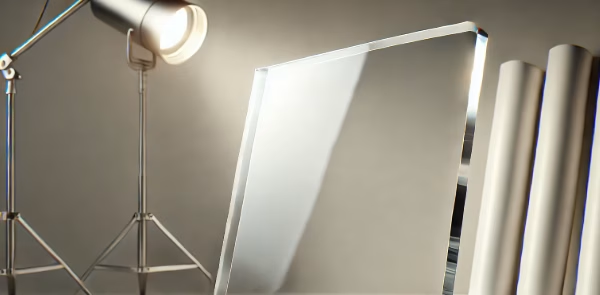
Acrylic glass is a transparent plastic often used as an alternative to glass and is made from polymethyl methacrylate (PMMA). This material, also known as acrylic, is renowned for its light weight, high impact resistance and light transmission. Acrylic glass is widely used as a substitute for glass in applications where clarity and durability are important. You might not think so, but acrylic glass has been in use for over 100 years and has proven itself to be a versatile material in many different applications.
The difference between acrylic glass and glass
At first glance, acrylic glass and glass look very similar, but there are certainly differences. Acrylic glass is an alternative to glass, hence the name. But what is acrylic glass? Acrylic glass is much lighter than glass, making it easier to work with or install. Acrylic glass is also more impact-resistant than glass, meaning it is less likely to break and is safer for applications where broken glass poses a significant risk. Think of safety glass or children’s toys. Another difference between acrylic glass and glass is light transmission. Acrylic glass transmits over 90% of light, which is even more than standard glass. Furthermore, acrylic glass offers better UV protection than glass, making it suitable for both indoor and outdoor use.
What is acrylic?
Acrylic is the name of a type of plastic. It is the shortened name for the material polymethyl methacrylate (PMMA). Acrylic glass is made from acrylic, which is why the term ‘acrylic glass’ is sometimes used interchangeably with ‘acrylic’. Another commonly used term for acrylic is Plexiglas. So what is the difference between acrylic and Plexiglas? Plexiglas is a popular brand name for a type of acrylic glass, but is often used colloquially to refer to this type of plastic.
There are two types of acrylic: XT and GS. XT acrylic is manufactured by extrusion, whereby molten acrylic is forced through a die. This process makes the material softer than GS and available in thin gauges, making it ideal for decorative applications. GS acrylic, on the other hand, is centrifugally cast, which means that liquid acrylic is poured into a mould and then cured. This results in a stronger material with a high degree of precision and clarity, which is why GS acrylic glass is often used in industrial and technical applications.
The benefits of acrylic glass
Acrylic glass offers a number of advantages over standard glass or even other types of plastic such as polycarbonate. Perhaps one of the biggest advantages is that acrylic glass is often cheaper, particularly for larger surfaces. Here are some properties and benefits to help you understand what acrylic glass is:
- Weight: Acrylic is about half the weight of glass, which makes it much easier to handle.
- Impact-resistant and strong: Unlike glass, acrylic glass is less likely to break.
- Weather resistance: Acrylic glass is resistant to both UV radiation and extreme weather conditions. This makes it a suitable option for both indoor and outdoor use.
- Easy to edit: Acrylic glass is ideal for being worked in various ways. For example, you can drill, saw and bend it. This makes it a popular material for bespoke solutions.
The uses of acrylic glass
Thanks to its versatile properties, acrylic glass is used in countless applications. In the advertising industry, it is a popular choice for light boxes and signage due to its clarity and weather resistance. In construction and architecture, it is used for skylights, noise barriers and balustrades. Acrylic glass is also common in the furniture industry, for example in table tops, chairs and decorative elements. Artists value it for its transparency and workability, which make it ideal for creative designs. Furthermore, acrylic glass plays a role in engineering, where it is used in medical equipment, lighting and displays.
Maintenance of acrylic glass
Acrylic glass is easy to maintain, making it an attractive choice of material for many homeowners. However, there are a few things you need to bear in mind. Acrylic glass can discolour when exposed to direct sunlight. When acrylic glass is used outdoors, it is important to clean it regularly. This can be done using a soft cloth and a mild cleaning agent. You can protect the surface from scratches by cleaning it with soap and water.
Looking to buy acrylic glass?
Now you know what acrylic glass is, how it differs from Plexiglas, and what acrylic is as a material. Are you looking for acrylic glass? Kunststof Forte is the leading specialist in plastics. Here you will find a wide range of plastics, including acrylic glass in various thicknesses, colours and sizes. You can buy clear acrylic glass or opal acrylic. Take contact for more information or request a offer to.