

 Kunststof Forte BV
 How to Make a Plastic Secondary Glazing Panel in 4 Easy Steps
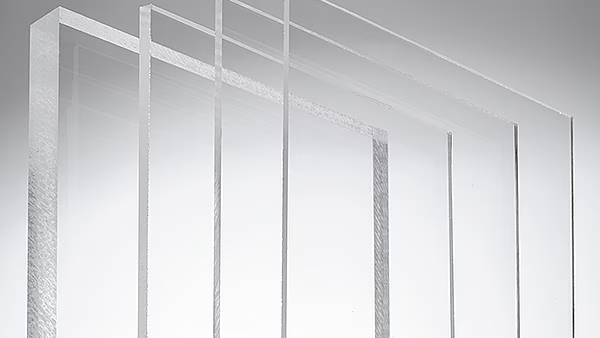
Did you know that making a secondary glazing panel can be quite simple? Secondary glazing is a smart solution if you want to prevent drafts, improve the insulation of your windows, or simply provide extra protection for the glass. More and more people are choosing to make their own acrylic secondary glazing panels. In this blog, you'll learn what you need and what to consider when making a secondary glazing panel.
Why choose secondary glazing?
Secondary glazing is an additional window installed on the inside or outside of an existing window frame. It creates an extra layer of insulation, reduces outside noise, and enhances the security of your home. Properties with older windows and frames can benefit particularly from secondary glazing. Instead of undertaking a full window replacement, secondary glazing helps lower energy costs, improve security, and make your home more comfortable by reducing noise, cold drafts, and condensation issues.
How to Build a Secondary Glazing Panel
You can buy secondary glazing ready-made, but with a bit of DIY skill, you can also make it yourself. Plastic secondary glazing is lightweight, durable and provides excellent insulation. In this step-by-step guide, you’ll learn how to make and install plastic secondary glazing in four simple steps.
1. What Is the Purpose of the Secondary Glazing Panel?
The first step is to determine why you want to install a secondary glazing panel. Defining its purpose will help you choose the right material and thickness. Is your goal to improve insulation? Plastic secondary glazing panels help reduce draughts and enhance the thermal performance of your existing windows. Do you want to reduce outside noise? Thicker plastic sheets provide better sound insulation and help dampen external noise. Or are you looking for added security and protection? In that case, choose toughened plastic or polycarbonate. These highly impact-resistant materials are much less likely to break than standard glazing materials.
2. Choosing the Right Material
Now that you know what your secondary glazing panel is intended for, you can choose the right material. Secondary glazing panels are commonly made from acrylic (also known as Plexiglas® or PMMA) or polycarbonate. Acrylic is highly transparent, lightweight, and cost-effective, making it an excellent choice for improving insulation. However, it is more prone to scratching than polycarbonate. Polycarbonate is significantly stronger and more impact-resistant, making it ideal when security and durability are a priority. It is also a popular choice for secondary glazing installed over stained glass windows, where added protection is essential.
3. Measurements and Materials Needed
Accurate measurements are essential when making a secondary glazing panel. Carefully measure the existing window frame, allowing for a small clearance to ensure an easy and secure fit. The plastic sheet alone is not enough for a proper installation. You will also need a few additional materials, such as rubber sealing strips to create an airtight seal and prevent draughts, mounting adhesive or a specialist plastic adhesive for secure fixing, and, if required, hinges or a magnetic/clips system to allow easy access to the original window for cleaning or ventilation.
4. Installation
The final step is installing the secondary glazing panel. Depending on your preferred fixing method, you can either bond the panel to the window frame with a suitable adhesive or secure it using screws or other mechanical fixings. Position the panel carefully against the frame, ensuring there are no gaps around the edges. Once it is correctly aligned, fasten it in place. For the best thermal performance, apply sealant or rubber sealing strips around the perimeter to create an airtight seal and prevent draughts.
The advantages of plastic
Plastic is an excellent material for making secondary glazing panels. It offers outstanding thermal insulation, requires very little maintenance, and is highly durable. Unlike wood, plastic is not affected by moisture, making it a reliable choice for both indoor and outdoor applications. Why choose plastic instead of glass? Plastic is much lighter than glass, making secondary glazing panels easier to handle and install. Materials such as acrylic (Plexiglas®) are also highly impact-resistant, making them less likely to break than glass. As an added benefit, acrylic is often more affordable than glass while offering excellent light transmission, allowing plenty of natural light into your home.
Need Advice? Kunststof Forte Is Here to Help
Plastic secondary glazing panels are easy to make yourself and provide an immediate improvement in comfort. With the right materials and careful installation, you can enjoy a quieter, more energy-efficient home for years to come. Would you like to learn more about secondary glazing, or are you looking for high-quality acrylic or polycarbonate sheets for your project? The team at Kunststof Forte is here to help with expert advice and premium plastic materials tailored to your needs. plastic window? Kunststof Forte are experts in plastics and would therefore be happy to assist you. Please contact us if you have any questions about the properties and applications of plastic panels and secondary glazing.